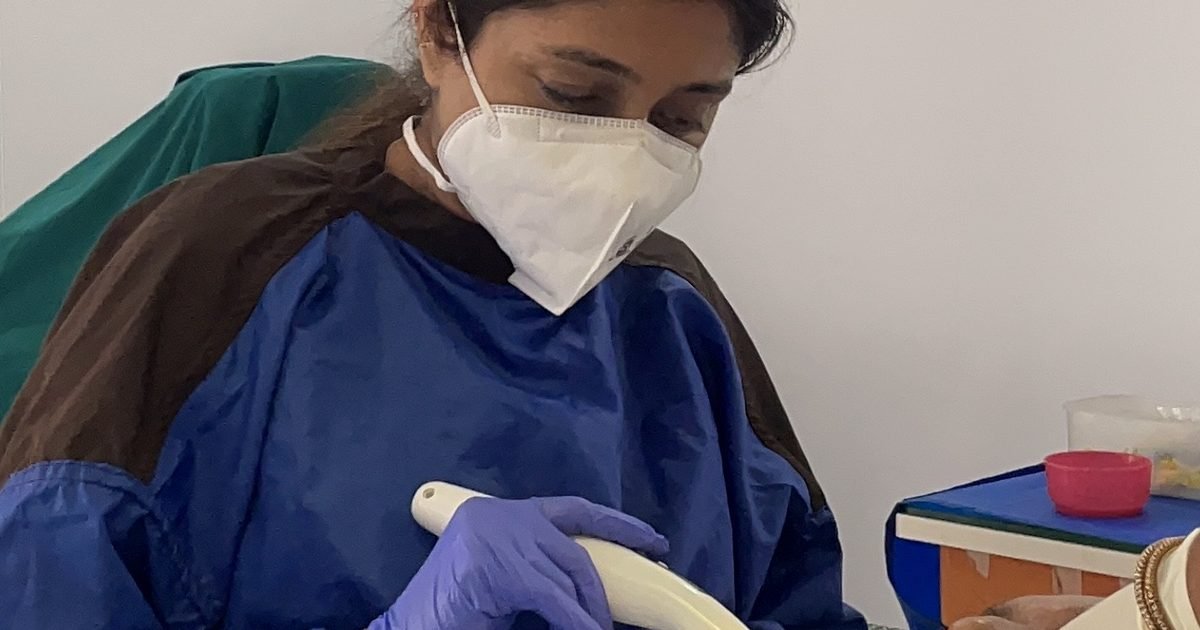

Root canal treatment is one of the most feared dental procedures, but it has an undeserved reputation. With modern anaesthesia and techniques, most patients report that the procedure is no more uncomfortable than having a filling placed. The pain people associate with root canal treatment is almost always the pain caused by the infection that makes the procedure necessary, not the treatment itself.
What is a root canal and why would you need one?
Inside every tooth is a soft tissue called the pulp, which contains nerves and blood vessels. When the pulp becomes infected or inflamed, usually due to deep decay, a cracked tooth, or repeated dental work, it can cause severe pain and, if untreated, spread infection to the jawbone. Root canal treatment removes the infected pulp, cleans and shapes the root canals inside the tooth, and seals them to prevent reinfection. The tooth is then restored, usually with a crown.
What are the signs that you might need a root canal?
- Severe toothache, particularly when biting or chewing
- Prolonged sensitivity to hot or cold that lingers after the stimulus is removed
- Darkening or discolouration of the tooth
- Swelling or tenderness in the nearby gums
- A persistent pimple or small bump on the gums
- A tooth that was injured or cracked even if it does not currently hurt
Does root canal treatment hurt?
The procedure is performed under local anaesthesia, which numbs the tooth and surrounding area thoroughly. Most patients feel pressure during the procedure but not pain. If you feel anything sharp during treatment, tell your dentist immediately so more anaesthetic can be given. The area may be sore for a few days after the procedure as the surrounding tissue heals, but this is typically mild and manageable with paracetamol as directed.
How many appointments does a root canal take?
Most root canal treatments are completed in one to two appointments. A straightforward single-rooted tooth may be completed in one session. Molars with multiple canals or complex anatomy may require two visits. After the root canal is complete, a crown is usually recommended to protect the tooth from fracture, which is typically a separate appointment.
What happens if you delay or avoid a root canal?
The infection inside the tooth does not resolve on its own. Without treatment, it spreads to the surrounding bone, causing an abscess. Dental abscesses can become serious: in severe cases the infection can spread to the jaw, neck, or even the brain. Delays also mean the tooth is more likely to require extraction rather than saving. The longer you wait, the more complex and costly the treatment becomes.
Can a root canal treated tooth last a lifetime?
With a good crown and regular dental check-ups, a root canal treated tooth can last for many years, often for the rest of your life. The key factors are the quality of the crown placed after treatment and maintaining good oral hygiene. The tooth itself no longer has a nerve so it will not signal pain if something goes wrong, making regular check-ups especially important.
A word from our clinic
I am Dr. Puja Bansal, consulting dentist at Prudent International Health Clinic, Viman Nagar, Pune. If you have been told you need a root canal, or if you have a toothache you have been putting off investigating, please do not delay. We perform root canal treatment in a calm, unhurried setting and will explain every step before we begin. Call or WhatsApp +91 70287 22200, open all 7 days, 9 AM to 9 PM. For current charges, please call the clinic.