

A little pink on the toothbrush is easy to ignore. Many people assume bleeding gums are normal, or that they simply brushed too hard, and carry on. In reality, healthy gums do not bleed with routine brushing. Bleeding is usually the earliest, most visible sign of gum disease, and it appears at exactly the stage when the problem is easiest to reverse.
Here is what actually causes gums to bleed, how gum disease progresses when it is left alone, and what genuinely works to turn it around, including one stubborn myth about scaling that stops many people from getting treated.
Why gums bleed in the first place
The most common cause is plaque, a soft, sticky film of bacteria that builds up along the gum line every single day. When brushing and flossing do not remove it, the bacteria irritate the gum, and the gum responds with inflammation: redness, puffiness and bleeding at a touch. This early stage is called gingivitis.
Less often, other factors contribute, pregnancy hormones, certain medicines such as blood thinners, nutritional deficiencies, or ill-fitting dentures and rough filling edges that trap plaque. These deserve a proper check rather than guesswork, especially if bleeding continues even after your cleaning habits improve.
The stages: gingivitis, then periodontitis
Gingivitis is inflammation limited to the gum itself. There is no permanent damage yet, which is why it is fully reversible with a professional cleaning and better home care. Left untreated, though, plaque hardens into tartar, a rough deposit that brushing cannot remove, and the inflammation creeps deeper.
That deeper stage is periodontitis. The gum begins detaching from the tooth, forming pockets where more bacteria collect, and the bone supporting the tooth is slowly lost. Teeth may drift, feel loose or look longer as the gums recede. Periodontitis can usually be controlled and stabilised with treatment, but lost bone does not simply grow back, which is exactly why acting at the bleeding-gums stage matters so much.
Warning signs worth taking seriously
Gum disease is often painless until quite late, which is why it is sometimes discovered only when a tooth turns loose. Watch for the quieter signs:
- Bleeding while brushing, flossing or eating
- Persistent bad breath or a bad taste
- Red, puffy or tender gums
- Gums pulling away from the teeth
- New gaps or drifting between teeth
- Teeth that feel slightly loose
- Pus or swelling at the gum line
One sign is urgent rather than quiet: a swollen gum with pus, especially along with fever or facial swelling, suggests an active infection. That calls for same-day dental care, not a routine appointment next week.
What a long day on an office floor does to gums
Gums respond to how a day is shaped, not only to how well you brush at night. A full shift on a cooled office floor is dry air for eight or nine hours, and many people sit through it breathing partly through the mouth while concentrating on a screen. Saliva is the mouth's own rinse, and less of it means whatever is sitting along the gum line simply stays there longer. Add the pattern that goes with a desk, chai at eleven, biscuits with it, a mint before a meeting, another cup at four. None of those is much on its own. Together they mean the teeth almost never get a clear stretch of hours with nothing new arriving.
The changes worth making here are small and unglamorous. Keep a water bottle at the desk and actually finish it, because the point is not thirst, it is not letting the mouth stay dry right through a long cooled shift. Let chai and snacks happen at set times rather than being sipped across the whole afternoon, since it is the trickle that costs you, not the cup. And treat the night brush as fixed, even after a late dinner and a slow drive back through Viman Nagar, because that is the one people in demanding jobs drop first and it is the one that matters most. If your working day rules out a daytime appointment, we run to 9 pm every day of the week, so a check need not wait for a holiday.
What actually reverses bleeding gums
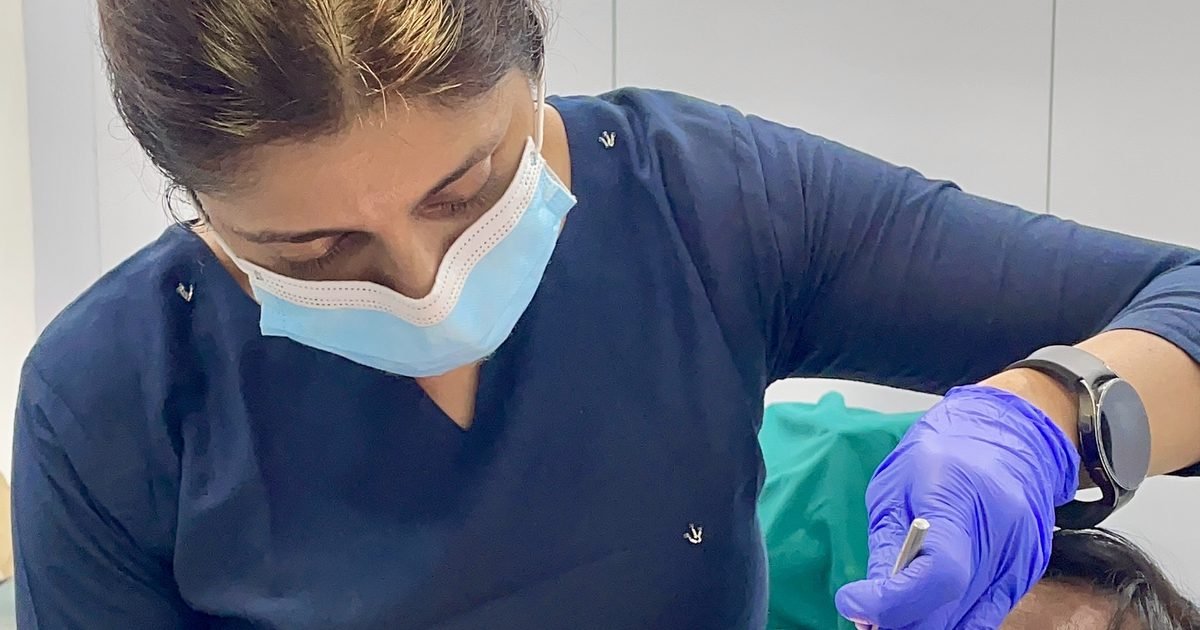
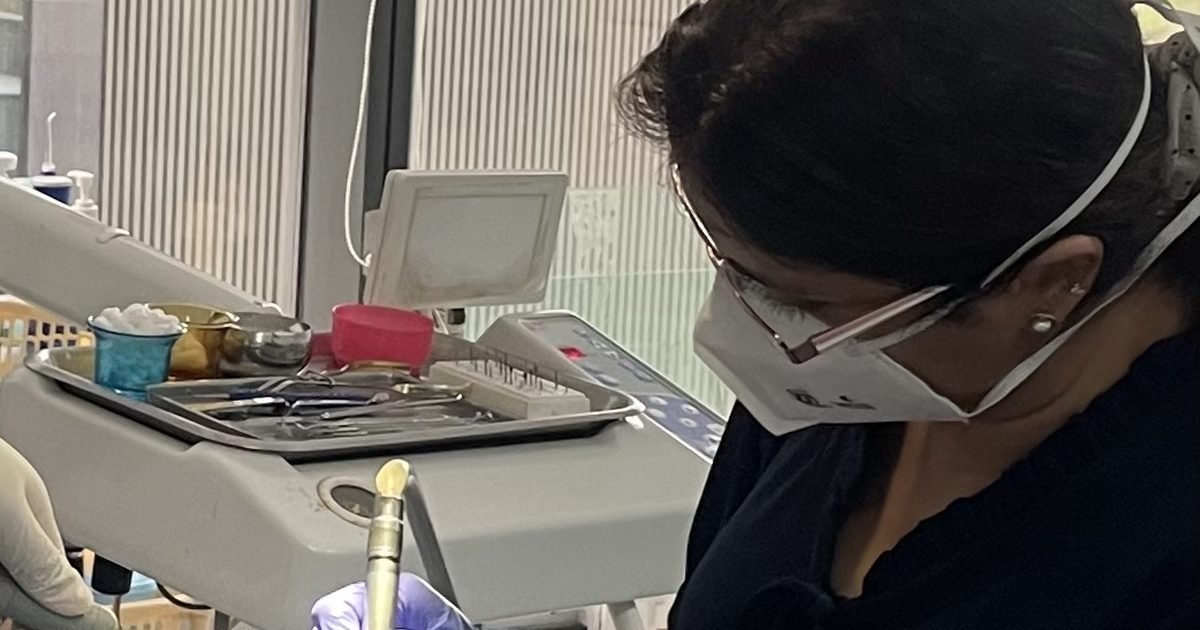
For gingivitis, the honest answer is unglamorous: a professional cleaning (scaling) to remove plaque and tartar, followed by consistent home care. Brush twice a day along the gum line with a soft brush, and clean between the teeth once a day with floss or interdental brushes, the in-between zone is where most gum disease begins. Expect the gums to bleed a little more in the first few days of proper cleaning, then improve steadily over one to two weeks.
And the myth: scaling does not loosen teeth or damage enamel. Teeth can feel slightly different afterwards because the hard tartar that was wedged around them has been removed, any looseness was caused by the disease underneath, not by the cleaning that revealed it.
What if it has already progressed?
If pockets have formed, your dentist may recommend a deeper cleaning under local anaesthesia, done a section at a time, with closer follow-up visits. Advanced cases are managed together with a gum specialist. The goal shifts from reversal to control: stopping further bone loss and keeping your natural teeth working for as long as possible. Smokers gain twice over by quitting, because tobacco both worsens gum disease and masks the bleeding that would otherwise act as a warning.
Simple habits that keep gums healthy
Gum health is mostly a daily-habits game: a soft brush used gently at the gum line, cleaning between the teeth once a day, drinking water after snacks, and a professional check-up and cleaning roughly every six months so tartar never gets a long run. Mouthwash can freshen breath, but it does not remove plaque, the humble brush and floss still do most of the work. If you are pregnant, diabetic or on blood thinners, tell your dentist, because your gums need slightly closer attention.
Bleeding gums are your mouth's early warning system, and early is exactly when treatment is simplest. If your gums have bled for more than a week or two, have them examined by our dental team at Prudent International Health Clinic in Viman Nagar, Pune, open all 7 days, 9 AM to 9 PM, with walk-ins welcome.