

A spoonful of ice cream, a sip of cold water, sometimes just a breath of cool air, and a sharp, electric twinge shoots through a tooth and vanishes. If that sounds familiar, you are in large company: sensitive teeth are among the most common complaints in any dental clinic. The good news is that most sensitivity has a findable cause, and most causes respond well to simple treatment.
Dentists call it dentine hypersensitivity. Understanding why it happens makes every remedy on this page make sense, so let us start with the plumbing of a tooth.
Why teeth twinge: the short science
The visible part of each tooth is covered by enamel, the hardest substance in the body. Beneath it lies dentine, a softer layer criss-crossed by thousands of microscopic fluid-filled tubes leading to the nerve at the tooth's centre. When enamel wears thin, or gums recede and expose the root surface, those tubes open into the mouth. Cold, sweet or sour makes the fluid inside them shift, and the nerve reads that movement as a sharp jolt.
This is different from a cavity, although the two can feel similar at first. A cavity is bacteria steadily dissolving the tooth, and it tends to worsen with time; sensitivity is exposed dentine reacting to triggers, and it often stays stable for long stretches. Only an examination, sometimes with an X-ray, can reliably tell the two apart.
The usual suspects behind sensitivity
Several everyday habits and conditions expose dentine:
- Brushing hard with a stiff-bristled brush
- Gum recession from gum disease or ageing
- Acidic food and drink, colas, citrus, vinegar
- Night-time grinding or clenching of teeth
- Worn or leaking fillings, or a cracked tooth
- Recent scaling, whitening or other dental work
- Acid reflux repeatedly washing over the teeth
Sensitivity after a professional cleaning or whitening usually settles on its own within days to a couple of weeks. Sensitivity from the other causes tends to persist, or slowly worsen, until the cause itself is dealt with. A surprisingly common combination is vigorous brushing with a hard brush plus a daily lemon-water habit, well-intentioned, but tough on enamel and gums.
Why the twinge comes and goes with Pune's seasons
Patients often tell us the sensitivity is worse at certain times of year, and in Pune that usually makes sense. In the cool months, the water coming out of the tap first thing in the morning is genuinely cold, and that first mouthful at the basin lands on teeth that have been undisturbed all night. A morning walk in that air, taken at a pace where you end up breathing through the mouth, does something similar. Then the year turns and the pattern changes rather than ending. Chilled water straight from the fridge, cold coffee, ice in everything, and the sour summer drinks many of us live on, nimbu pani, aam panna, sugarcane juice with lemon. Cold on one side of the year, acid on the other.
Two seasonal habits are worth adjusting. In the cold months, brush with lukewarm water from a mug rather than with whatever the tap gives you at that hour, which sounds trivial and changes how the whole morning starts. In the hot months, the trouble is less any single cold drink than the sipping, because a glass of nimbu pani nursed across an afternoon keeps the teeth in acid far longer than the same glass finished at lunch. Keep the sour drinks with meals and let plain water be what you sip in between. And if your sensitivity has a clear seasonal shape that settles when the weather turns, say so at your appointment, because that pattern is useful. If it stays exactly where it is long after the season has changed, the season was never the cause, and that is worth saying too.
What helps at home, and how to do it right
Desensitising toothpastes genuinely help many people, but they are often used wrongly. They need two to four weeks of regular, twice-daily use before you judge them, and they work best if you do not rinse your mouth with water immediately after brushing, spit out the excess and let a thin film of paste stay on the teeth. Rubbing a little of the paste onto an especially sensitive spot before bed can help as well.
Alongside that, switch to a soft-bristled brush held gently, like a pen, not a fist, and brush in small circles rather than hard horizontal scrubbing. After anything acidic, wait about half an hour before brushing, because acid temporarily softens enamel. And if you wake with a tight jaw, or someone at home reports night-time grinding, mention it at your check-up: no toothpaste can out-brush a grinding habit.
What your dentist can do
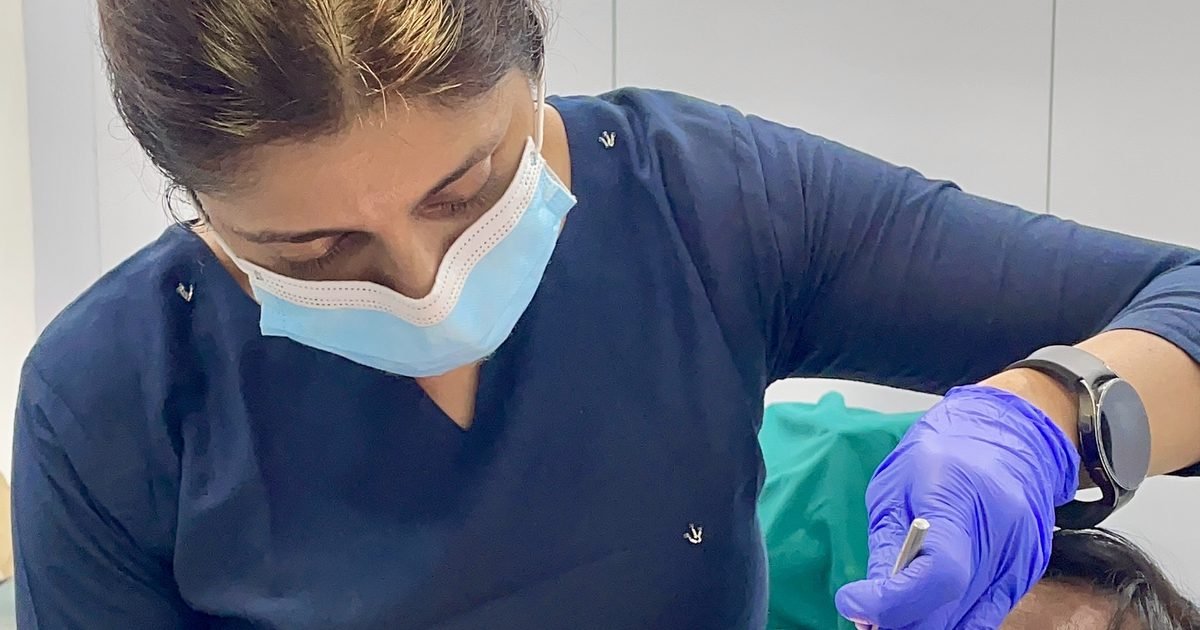
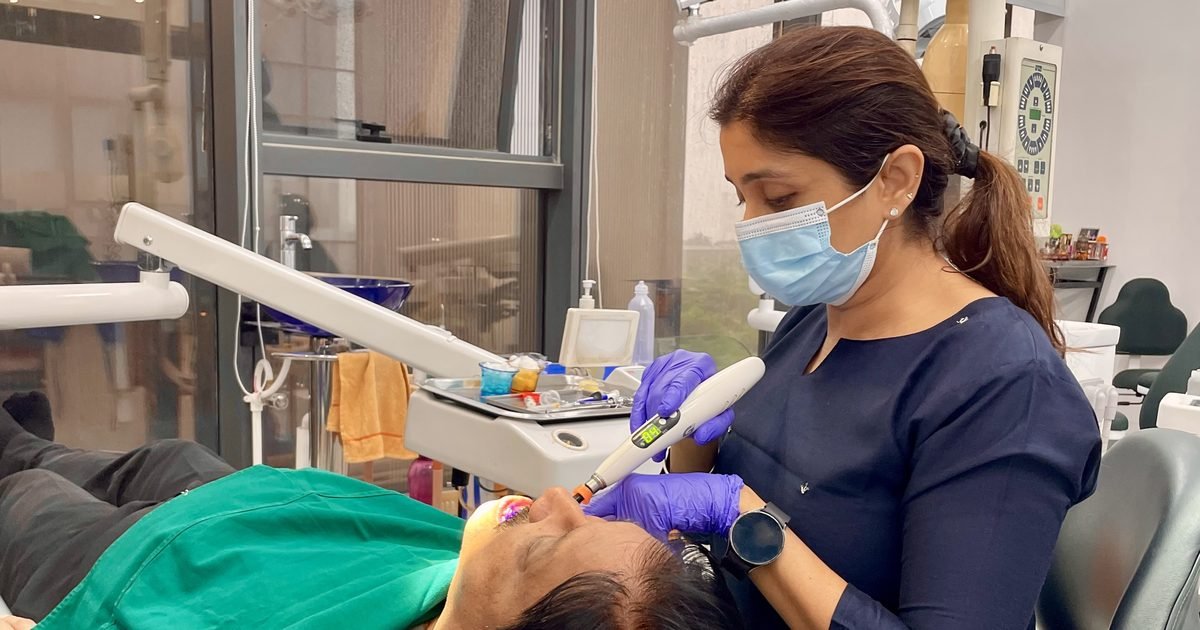
When home care is not enough, clinic options are simple and quick: fluoride varnish painted over the sensitive patches to seal the open tubes, a thin layer of bonding material over exposed root surfaces, a night guard if grinding is the driver, or treatment of the gum disease that caused the recession in the first place. If one single tooth is sharply sensitive, it may have a crack, a leaking filling or deep decay that needs its own treatment, sometimes sensitivity is the messenger, not the disease.
Before your visit, it helps to note your triggers for a few days, cold, sweet, biting pressure, one tooth or many. That pattern often narrows the diagnosis faster than any single test.
When a twinge is more than a twinge
Classic sensitivity is a short, sharp zing that fades within seconds of the trigger. Take it more seriously if the pain lingers for half a minute or longer, wakes you at night, or throbs on its own without any trigger, those patterns suggest the nerve inside the tooth may be inflamed and needs timely attention. And if a painful tooth ever comes with facial swelling or fever, treat it as a same-day emergency rather than something to watch, a spreading dental infection needs prompt care.
Persistent sensitivity deserves a short examination, not months of guessing in the toothpaste aisle. Our dentists at Prudent International Health Clinic in Viman Nagar, Pune can find the actual cause and treat it, we are open all 7 days, 9 AM to 9 PM, and walk-ins are welcome.