
Mouth ulcers, those small painful sores on the inner cheeks, tongue, gums, or lips, are something most people have dealt with at some point. They make eating and drinking uncomfortable, and when they keep coming back, they can be genuinely frustrating. The good news is that the vast majority are harmless and heal on their own. The important thing is knowing the difference between those and the ones that need a closer look.
Common causes
- Minor trauma: biting the inside of your cheek, a sharp tooth edge, ill-fitting dentures, or vigorous brushing.
- Stress and fatigue are well-known triggers for recurrent aphthous ulcers, the round, shallow, painful sores that keep returning.
- Nutritional deficiencies, particularly iron, vitamin B12, and folate.
- Hormonal changes around the menstrual cycle.
- Certain foods, especially acidic or spicy items, can trigger ulcers in susceptible people.
- Sodium lauryl sulphate (SLS) in some toothpastes has been linked to more frequent ulcers in some individuals.
- Conditions like coeliac disease, inflammatory bowel disease, and immune system disorders can present with mouth ulcers as one of their symptoms.
Home care for a typical mouth ulcer
- Rinse with warm salt water a few times a day. A teaspoon of salt in a glass of lukewarm water is sufficient.
- Avoid spicy, acidic, or very hot foods and drinks until the ulcer heals.
- Use a soft-bristled toothbrush and be gentle around the sore area.
- Over-the-counter topical gels designed for mouth ulcers can help with pain and form a protective barrier. Your pharmacist can recommend one.
- Most simple mouth ulcers heal within 10 to 14 days without treatment.
When to see a doctor or dentist
While most ulcers are benign, certain features should prompt a visit.
- An ulcer that has not healed after three weeks.
- Ulcers that keep coming back frequently.
- An ulcer that is unusually large or keeps growing.
- An ulcer that is painless, especially if it is firm or has irregular edges. Painless ulcers that persist can occasionally be an early sign of oral cancer and should always be examined.
- Ulcers accompanied by fever, general illness, or sores elsewhere on the body.
- Difficulty eating or drinking because of the severity.
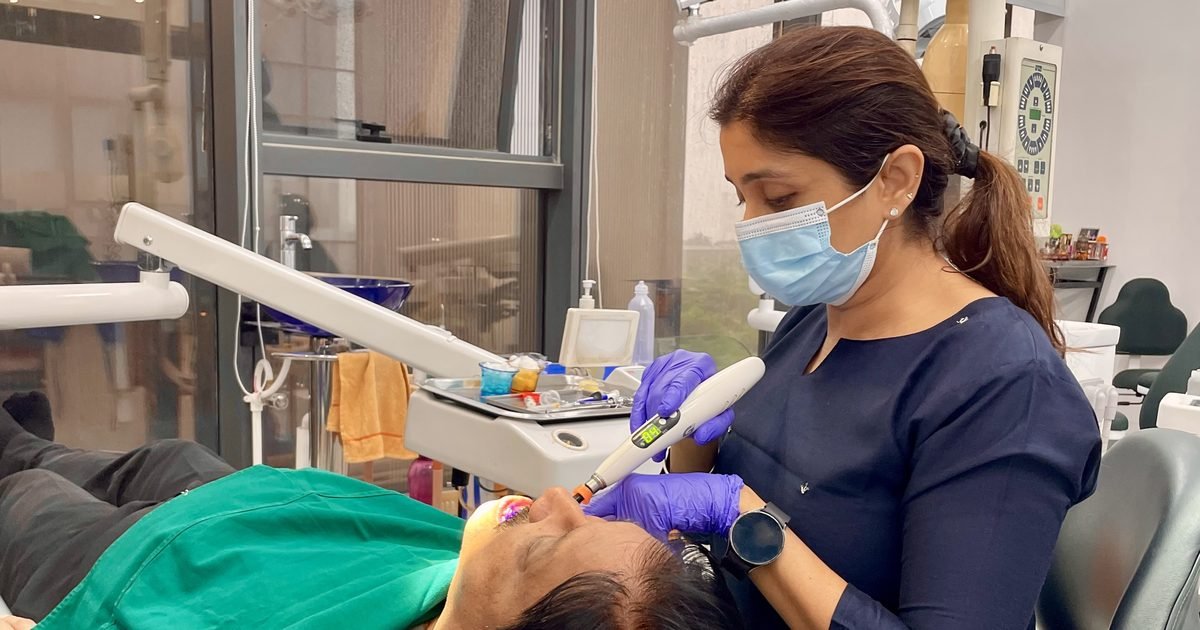
Your dentist will examine the ulcer and the rest of your mouth. If anything looks atypical, a biopsy, a small sample of tissue sent for testing, may be recommended. Blood tests to check for deficiencies or underlying conditions may also be ordered.
Recurring mouth ulcers can be annoying enough to dampen your mood, and if you are feeling persistently low or stressed, support is available. You can reach the free national Tele-MANAS mental health helpline at any time on 14416 (or 1800-891-4416). If you or someone near you is in immediate danger, call 108 or go to the nearest hospital.
A word from our clinic
I am Dr. Deepika Divekar, a dentist with 25 years of experience, practising at Prudent International Health Clinic in Viman Nagar, Pune. If mouth ulcers are recurring, not healing, or causing you concern, come in for an examination. A quick check can rule out anything serious and get you the right treatment. We are open all 7 days, 9 AM to 9 PM, with walk-ins welcome. Call or WhatsApp us on +91 70287 22200. For current pricing, call the clinic on +91 70287 22200.